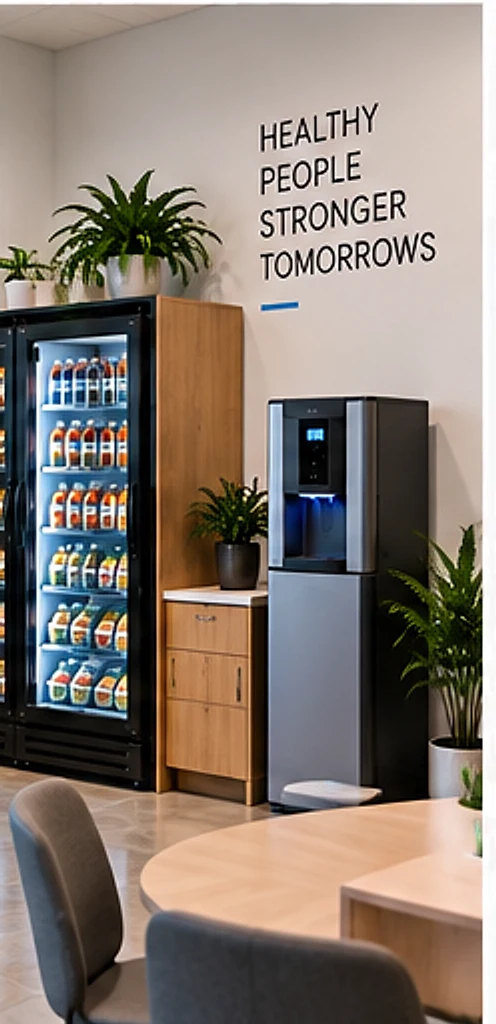
Water is the one breakroom amenity nobody notices until it runs out. In Utah, where the air is dry most of the year and many workplaces sit well above 4,000 feet, people reach for water more often than they expect. That makes the choice between a bottled water delivery service and a bottleless dispenser a bigger decision than it looks.
Here is how the two options compare for offices, warehouses, clinics and apartment communities across the Wasatch Front.
How bottled water delivery works
A delivery company drops off full five-gallon jugs on a schedule and picks up the empties. Someone on your team swaps the jug on the cooler when it runs dry. It is simple to start and does not need a water line, which is why it has been the default for decades.
The trade-offs show up over time:
- A full five-gallon jug weighs about 42 pounds, and lifting it onto a cooler is a real strain for many employees.
- Full and empty jugs need storage space, usually in a closet that could be used for something else.
- Running out between deliveries is common at busy sites, especially in summer.
- Cost grows with every jug, so the bill rises right when your team is drinking the most.
How a bottleless (point-of-use) dispenser works
A bottleless dispenser connects to an existing cold water line and filters the water inside the unit. There are no jugs to lift, store or reorder. Most models offer cold and room-temperature water, and many add hot water for tea and instant meals.
- No heavy lifting and no storage closet full of jugs.
- Water never runs out, even on the hottest July afternoon.
- Filters are changed on a schedule, so taste stays consistent.
- Fewer single-use plastic bottles in the building.
The main requirement is access to a water line within reach of the dispenser. Most breakrooms already have one under or near the sink. Where there is no line, we will tell you honestly whether a bottled unit is the better fit.
Which one fits your location?
Offices and coworking spaces
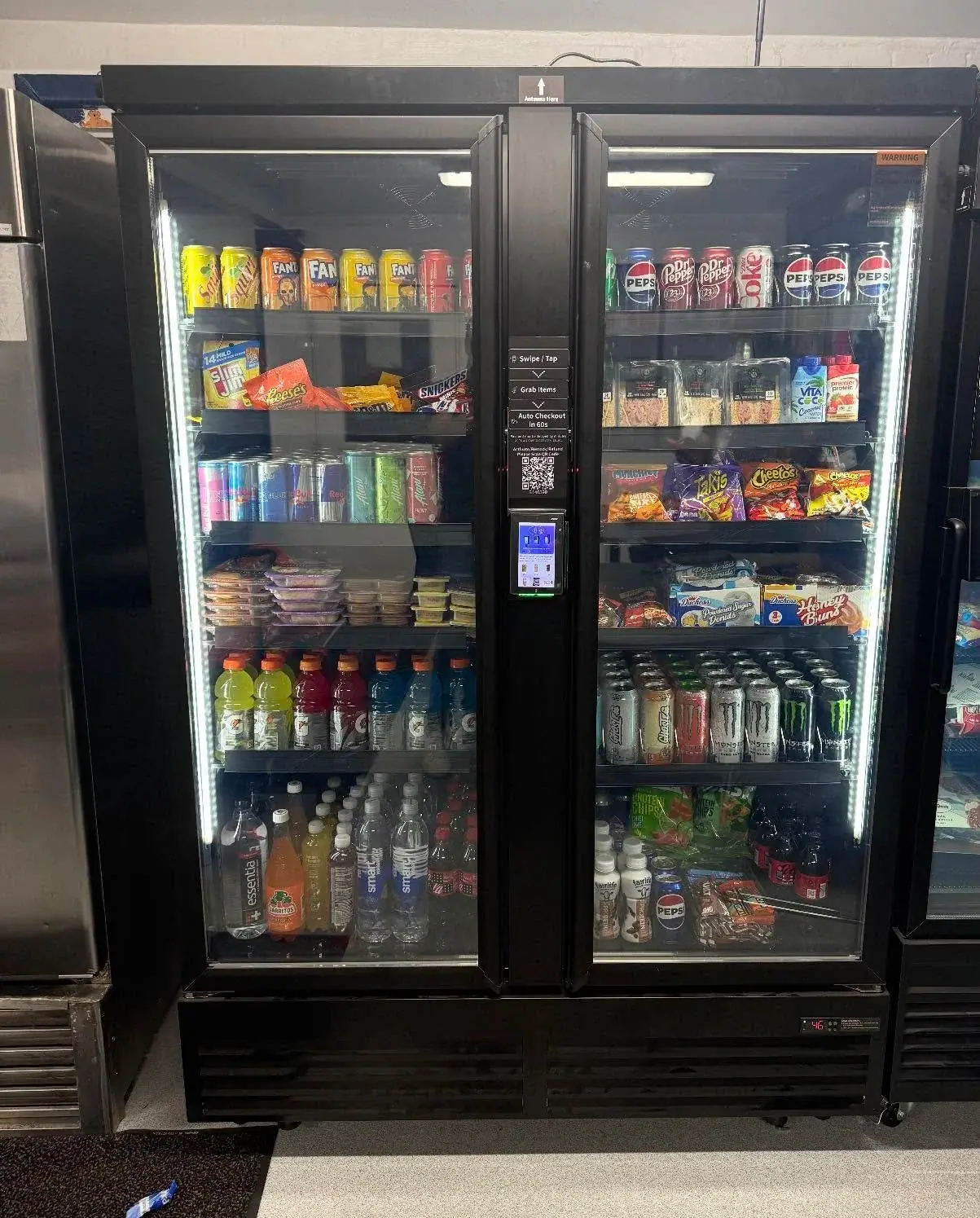
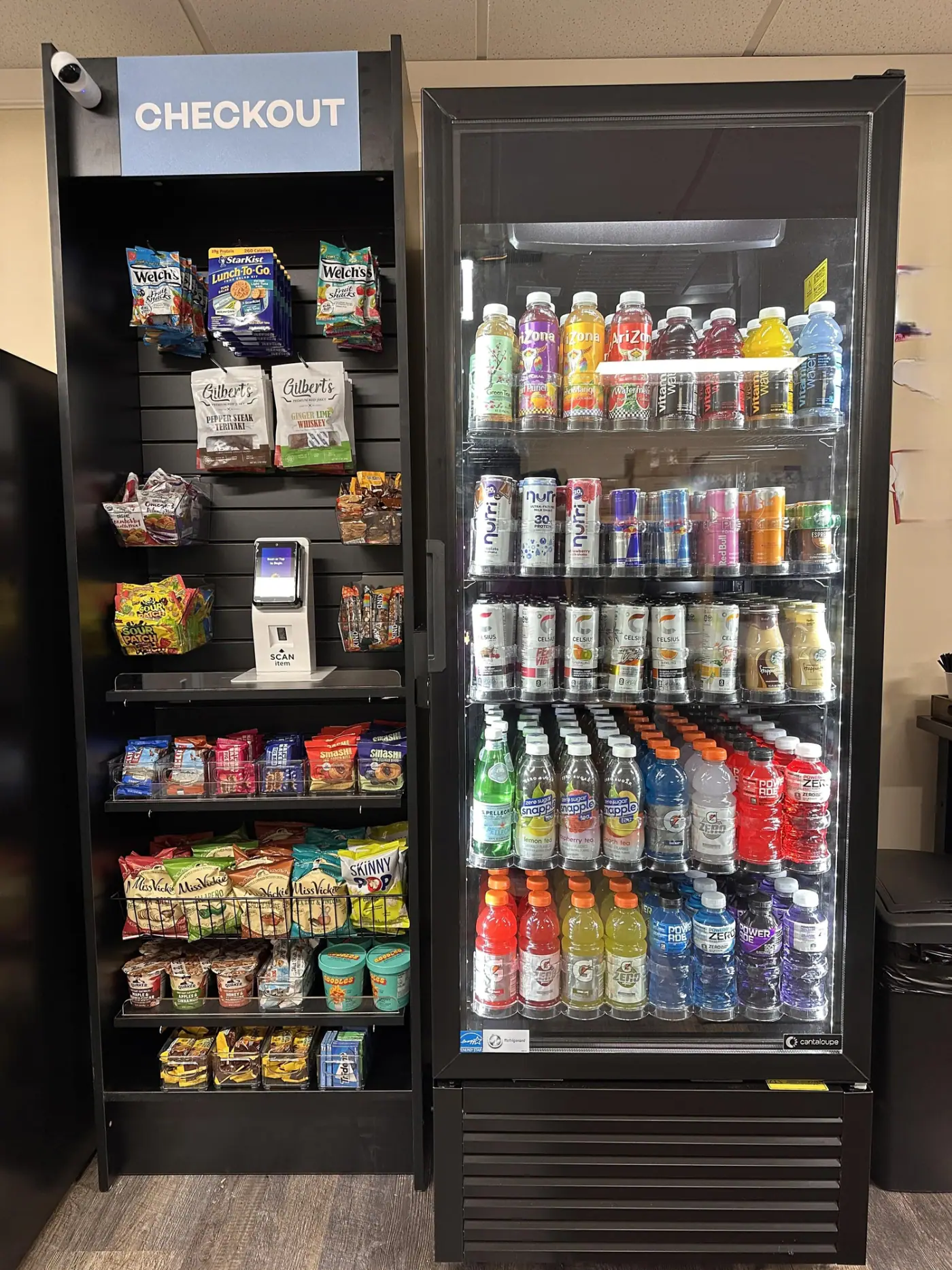
Bottleless usually wins. Breakrooms almost always have a sink nearby, and nobody has to remember to call for more jugs. Pair the dispenser with a smart cooler and your team has cold drinks, snacks and filtered water in one spot.
Warehouses, shops and job sites
High heat and long shifts mean water use spikes in summer. A plumbed dispenser near the break area keeps up without anyone hauling jugs across the floor. For trailers or temporary sites with no water line, bottled units still make sense.
Apartment communities and gyms
A filtered water station near the fitness room or clubhouse is an amenity residents use every day. It also cuts down on bottles in the recycling.
Questions to ask before you choose
- Is there a cold water line within a few feet of where the dispenser should go?
- How many people drink from it on a busy day, and does that change by season?
- Who will change filters and sanitize the unit, and how often?
- Do you also want cold bottled drinks, snacks or meals in the same area?
Building a complete breakroom
Water works best as part of a full refreshment setup. Many of the Utah businesses we serve combine a filtered dispenser with a smart cooler, a micro market or a fresh food program, so people can grab a meal and refill a bottle without leaving the building.
Want to talk through the right setup for your space? Contact our team and we will walk your breakroom with you, at no cost.